Flam and controversial topics

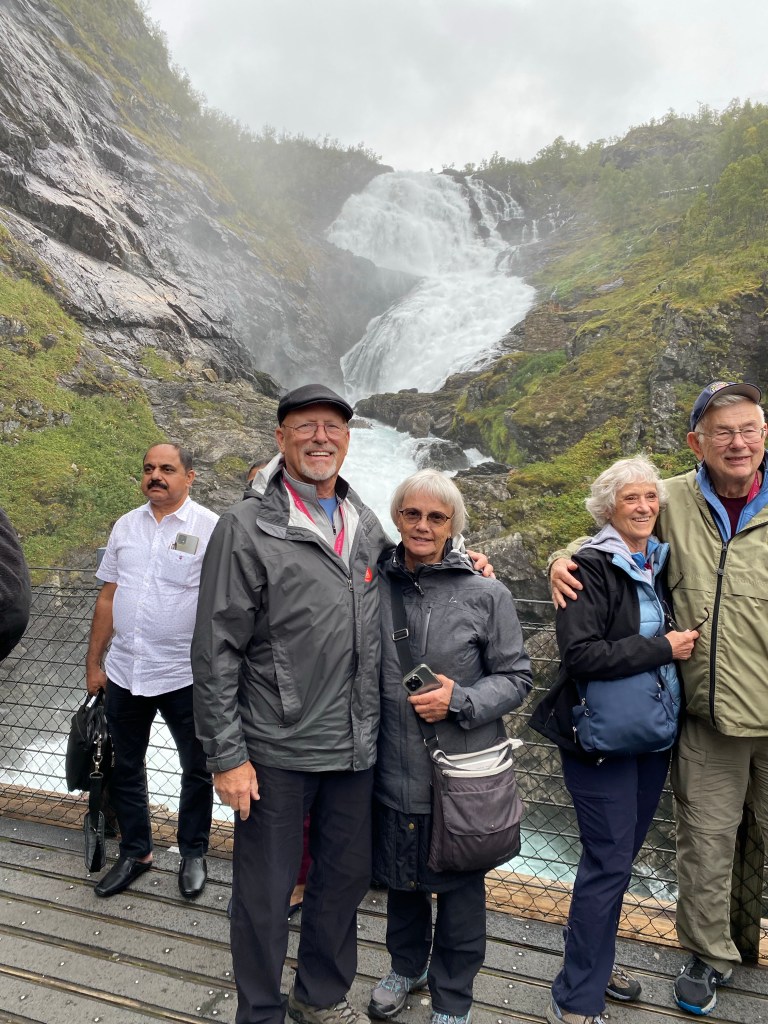
A beautiful small town on a fjord in Norway. The controversial topic we discussed was how large cruise ships impact the small town. The town has 250 residents, how do they deal with one or two cruise ships that have 4000 passengers on board?

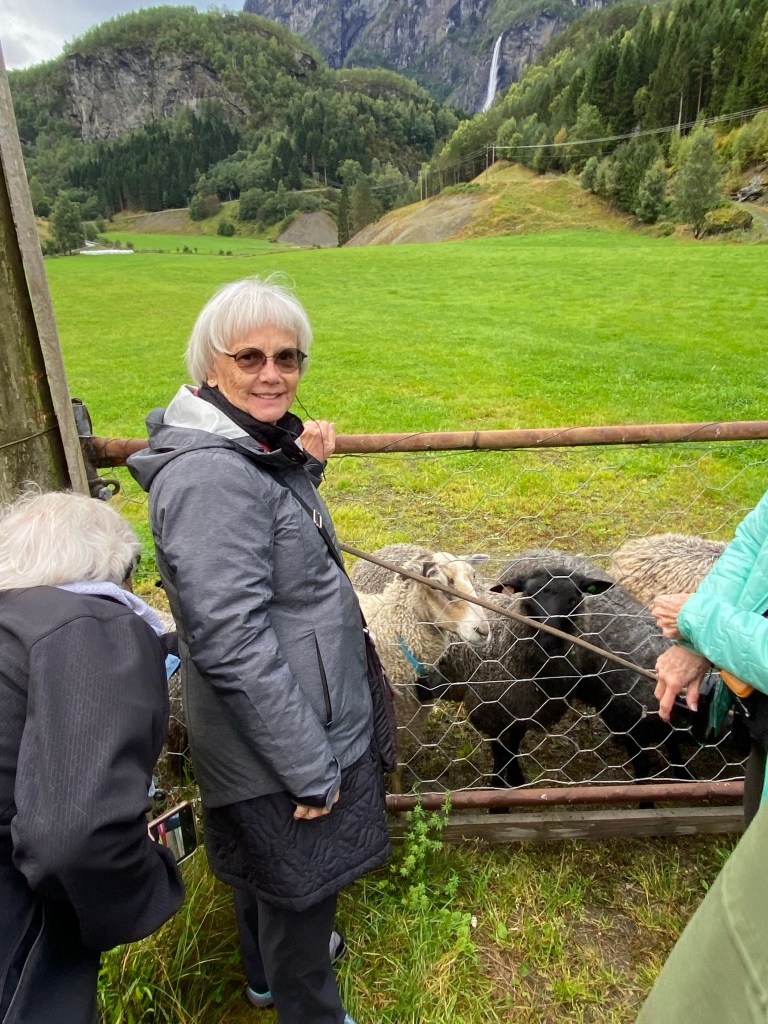
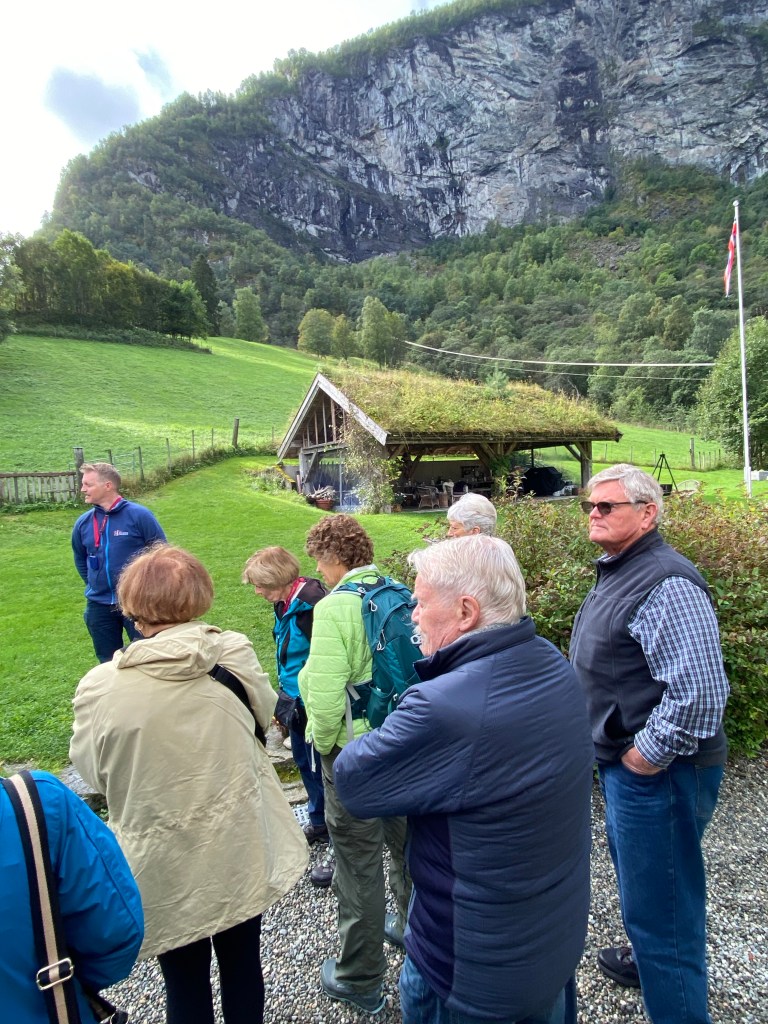
We visited a 5th generation family that raises sheep and quail. They don’t like cruise ship visits because of pollution and the visitors don’t spend any money. The cruise ships can dump “gray” waste water in the fjord. The family thinks that is one cause for the decline in the salmon population.

Patty likes the sheep!

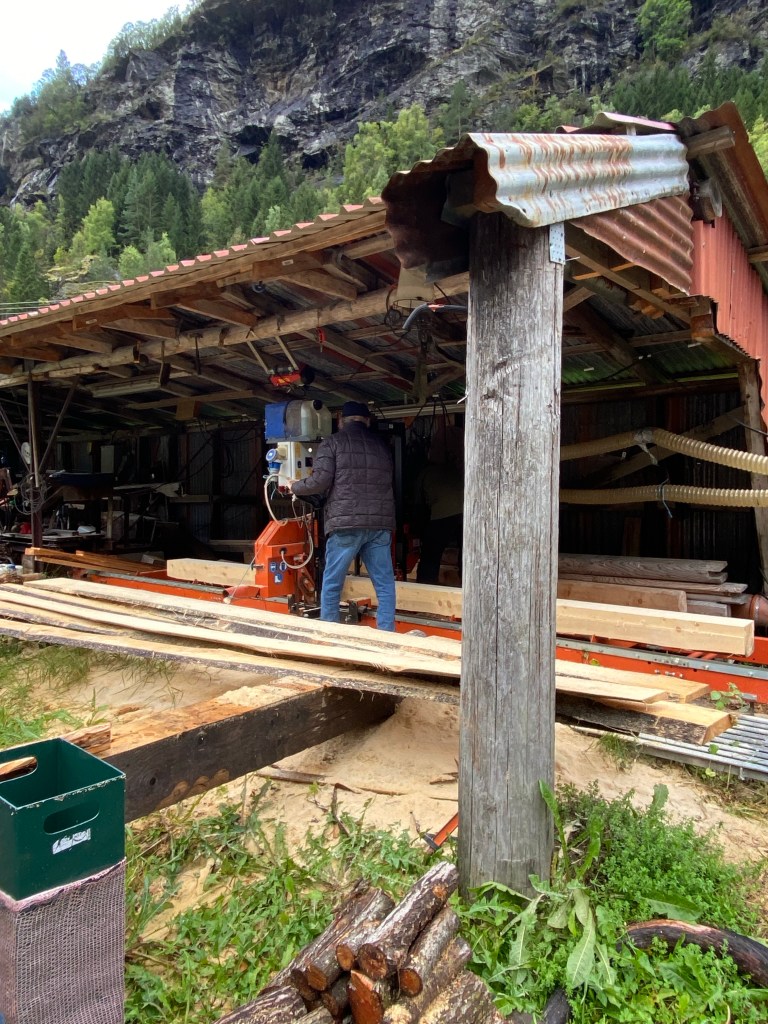
You must be self sufficient in this remote village. The owner has a sawmill, mills his own lumber, and is building two guest houses to use as an air B and B. They like the small group tourists that spend money in the restaurants, shops, and hotel.
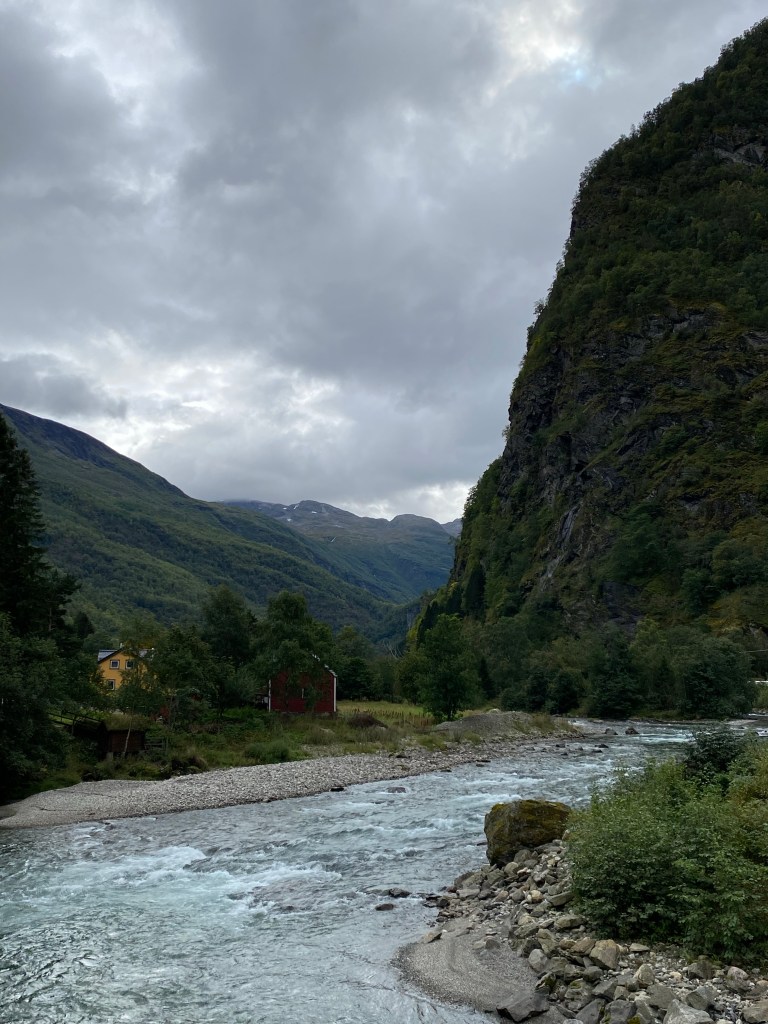
Beautiful river borders this farm.
This young man, Odd, and his family have made a full time living since the late 1990’s raising pigs and sheep. They do everything on the farm with the animals. They butcher, package, distribute, and even have a large smoke house. They chose this life, not for the money but for the lifestyle. Odd is concerned with over tourism and is passionate about the fish farm controversy in Norway. He thinks the fish farming has caused the decline in wild salmon numbers….. more on that subject later
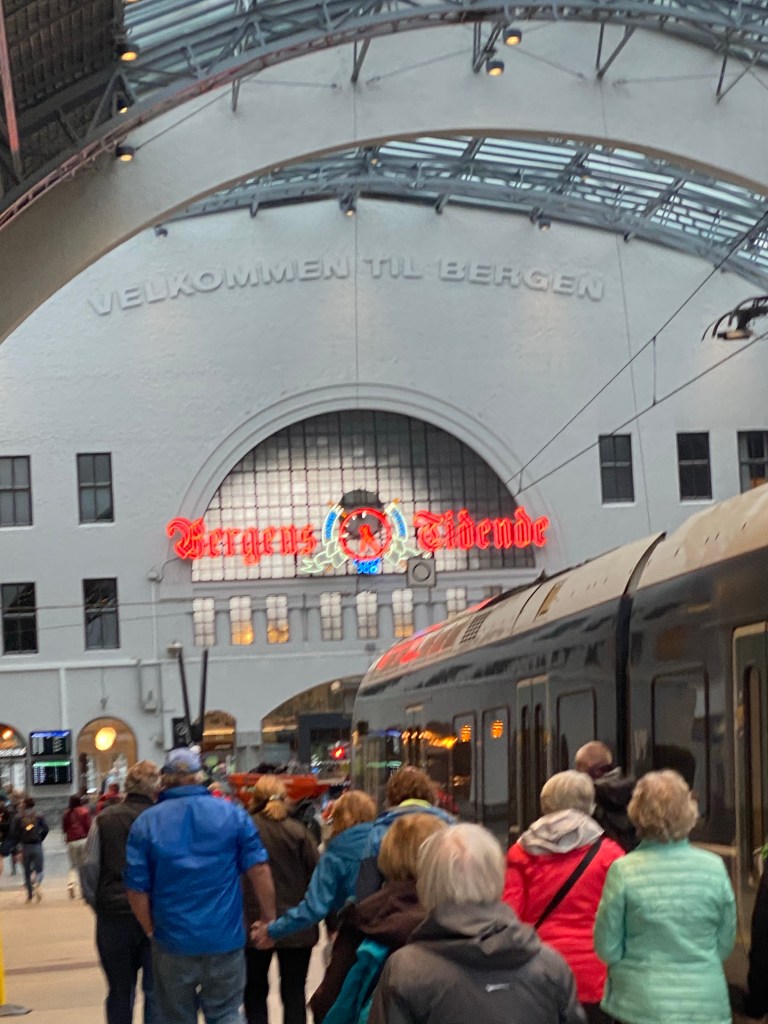
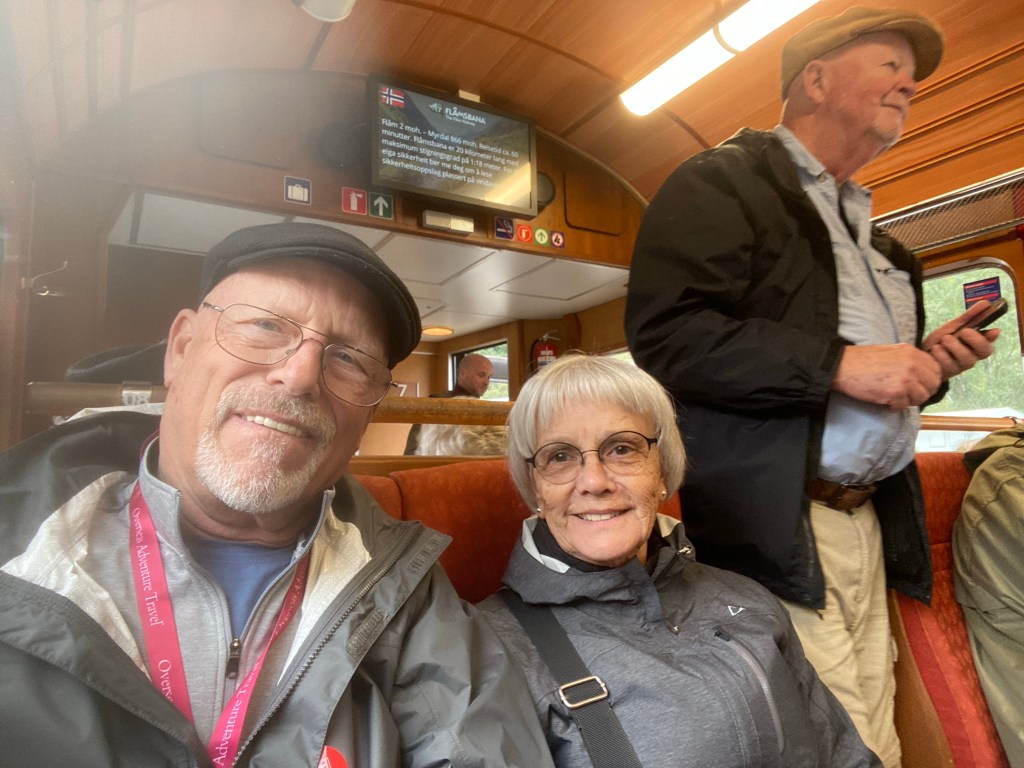
On the old train from Flam to Bergen

Oslo to Flam….rivers, mountains, churches, and beautiful scenery

Followed this river across the mountains from Oslo to Flam. Flam is on the water in one of the Fjords.
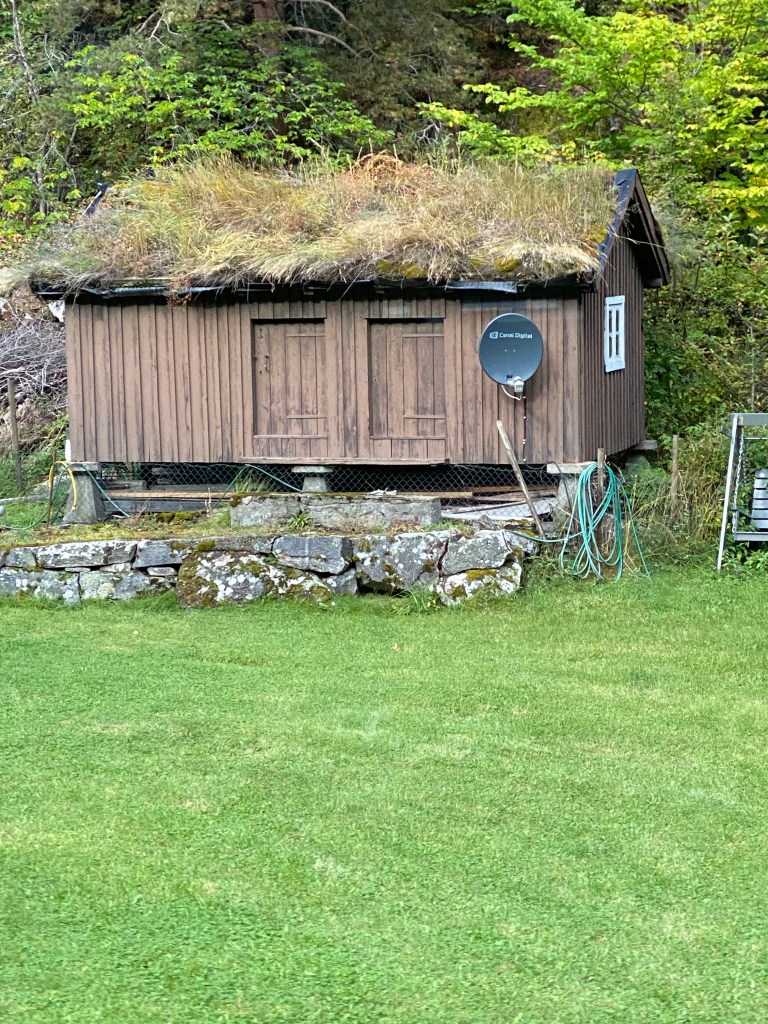
Sod/grass roofs are still in use today
We stopped to visit a Stave church, it’s a 1,000 years old. One of only 27 still in existence in Norway. Stave describes the construction using spruce planks. It’s black because they didn’t have paint available and used a heated up pitch from the trees to preserve the wood. It turns black over time.
Interesting architecture, considering the age of the construction.
Interior of the church
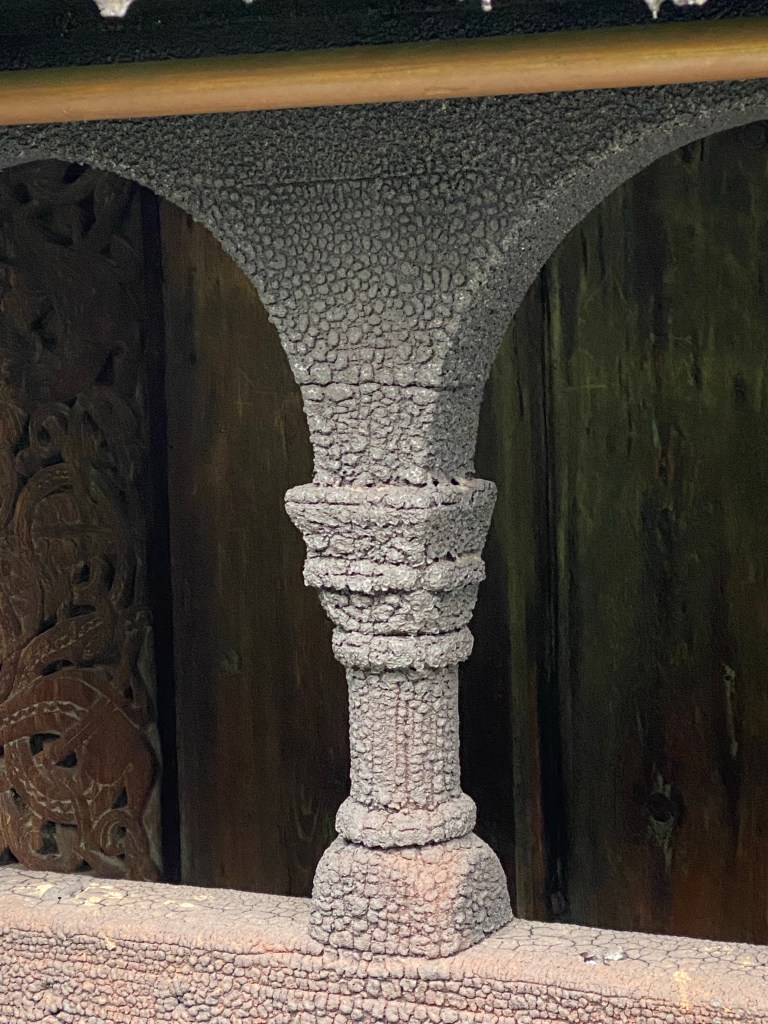
Closeup of how the multiple layers of pitch ages over time

Some of Oslo’s hi-lites

From ski jumps to museums, the opera hall and new library…. only some of the things we saw in Oslo

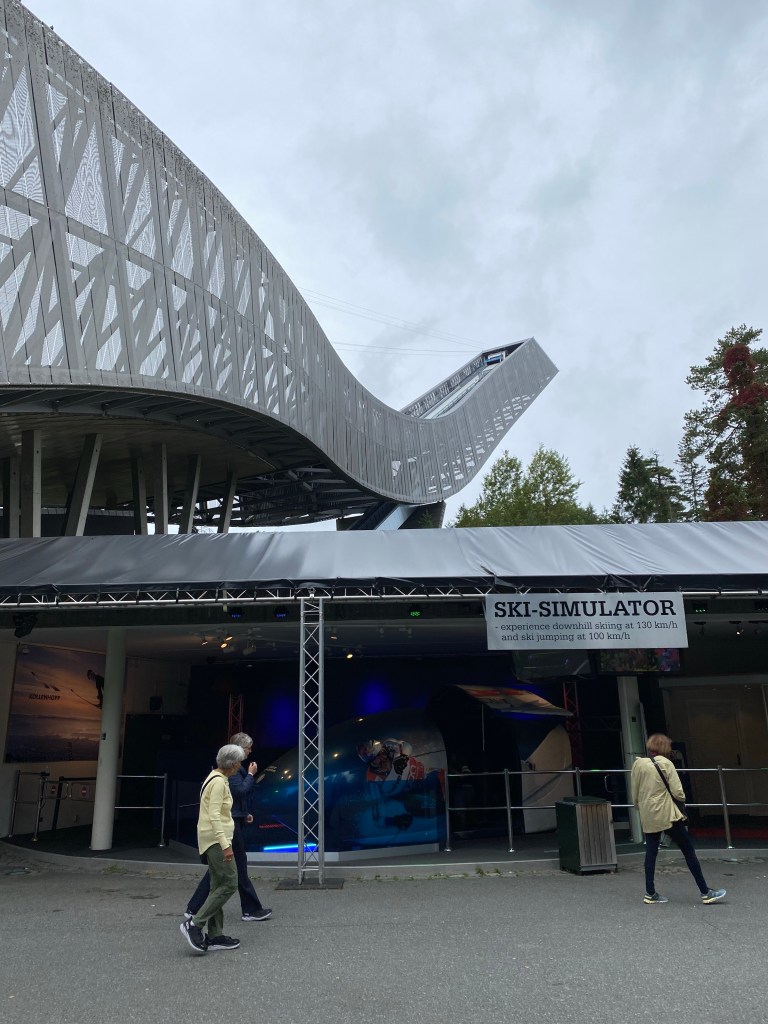
This is a 100 meter ski jump used only once a year. The facility is also used for biathlon training.
A ski simulator under the ski jump
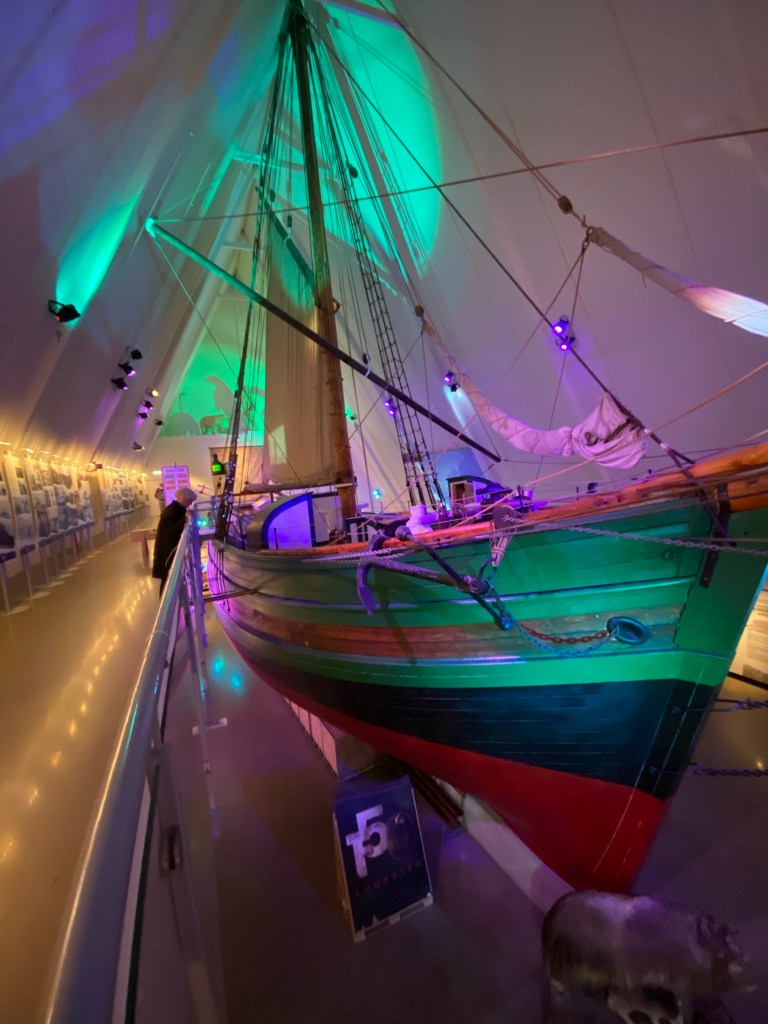
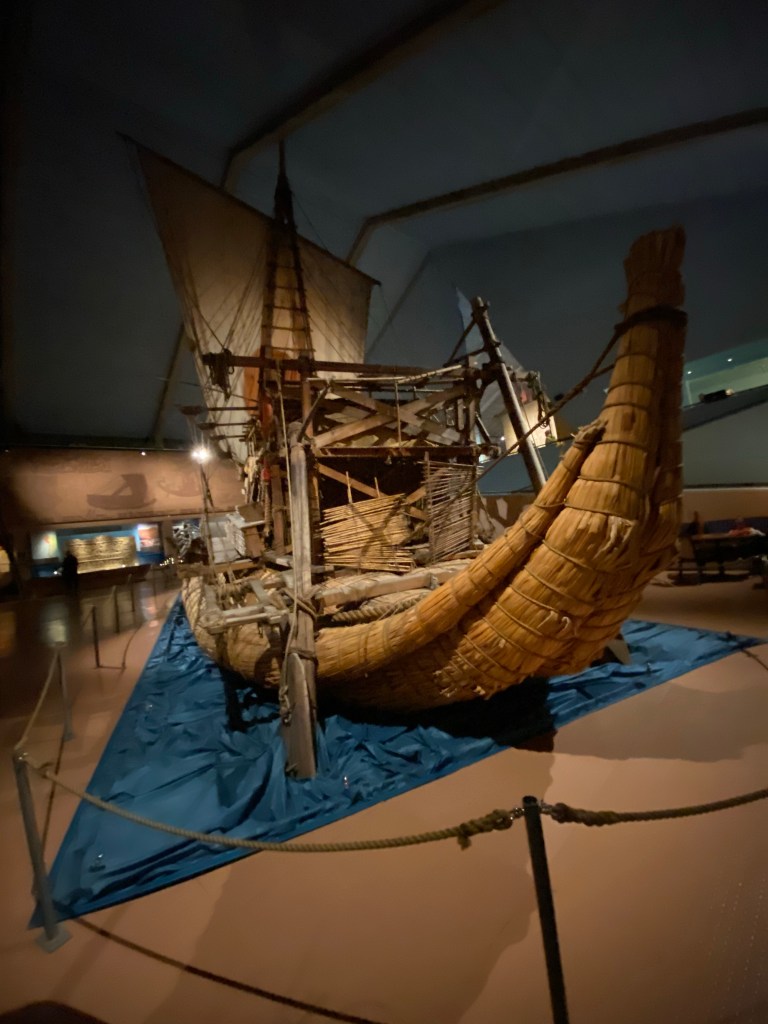
The Fram museum houses the Gjoa and the Fram. Boats used by Viking explorers to find the northwest passage and be first to the South Pole. Roald Amundsen was the first to get to the South Pole, using the Fram to sail to the Antarctic in 1911.
The Gjøa, the first boat to sail the northwest passage from Norway to Alaska and on down to near Seattle, a 3 year voyage completed in 1906.
Thor Heyerdahl built and sailed the Kon-tiki across the pacific in 1947 to prove that it could be done a 1000 years ago.
The Ra II, a reed boat that Thor built and sailed from Morocco to Barbados in 1970. He did this to prove that prehistoric civilizations could cross the oceans.
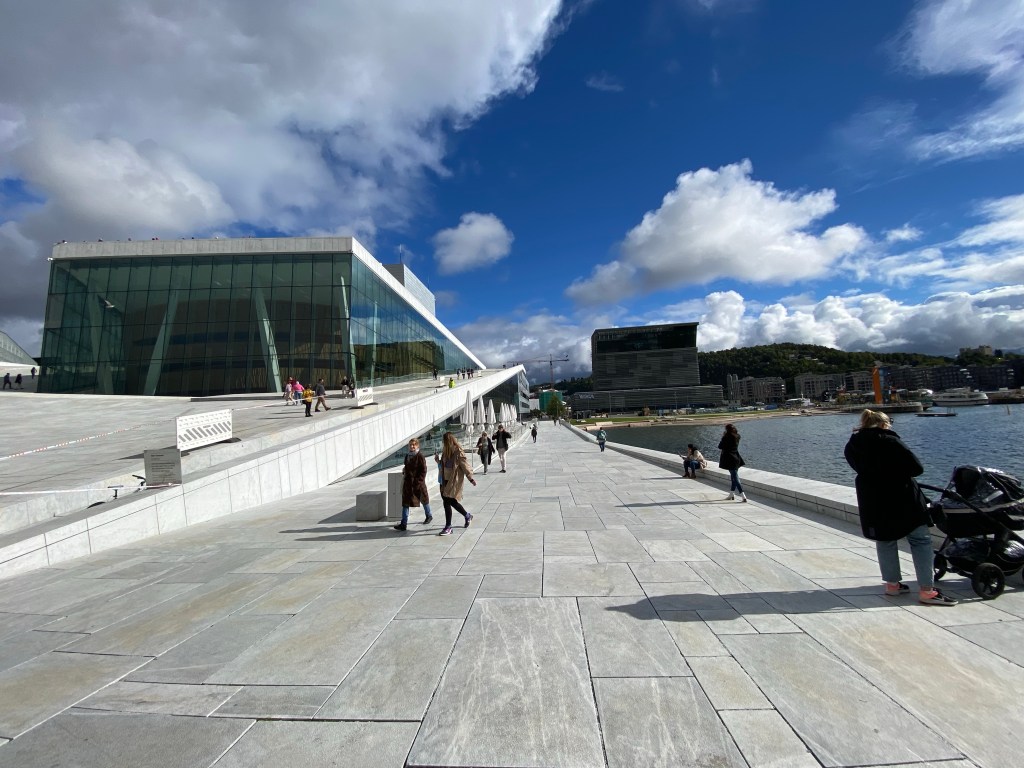
Opera House on the left, designed to look like an iceberg. Rivals the Sydney opera house in its design and performance. The Munch Art Museum on the right. Edward Munch is most famous for his “Scream” series of paintings.
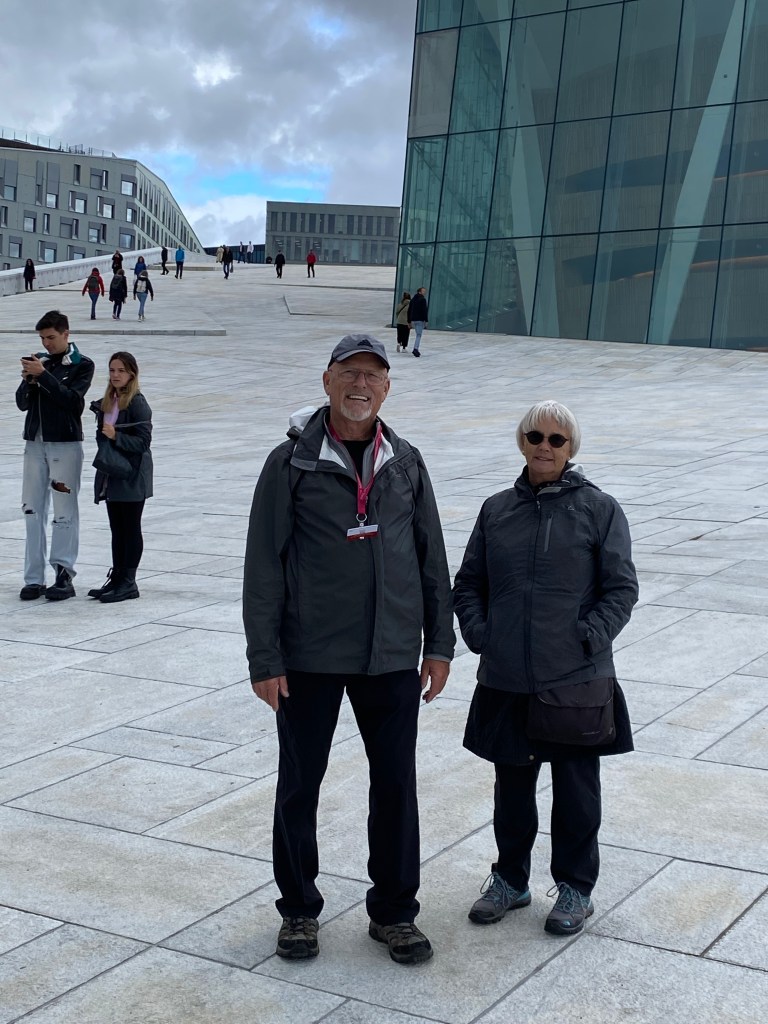
On part of the roof of the opera house, you can walk to the very top of the opera house on this roof of stone tiles.
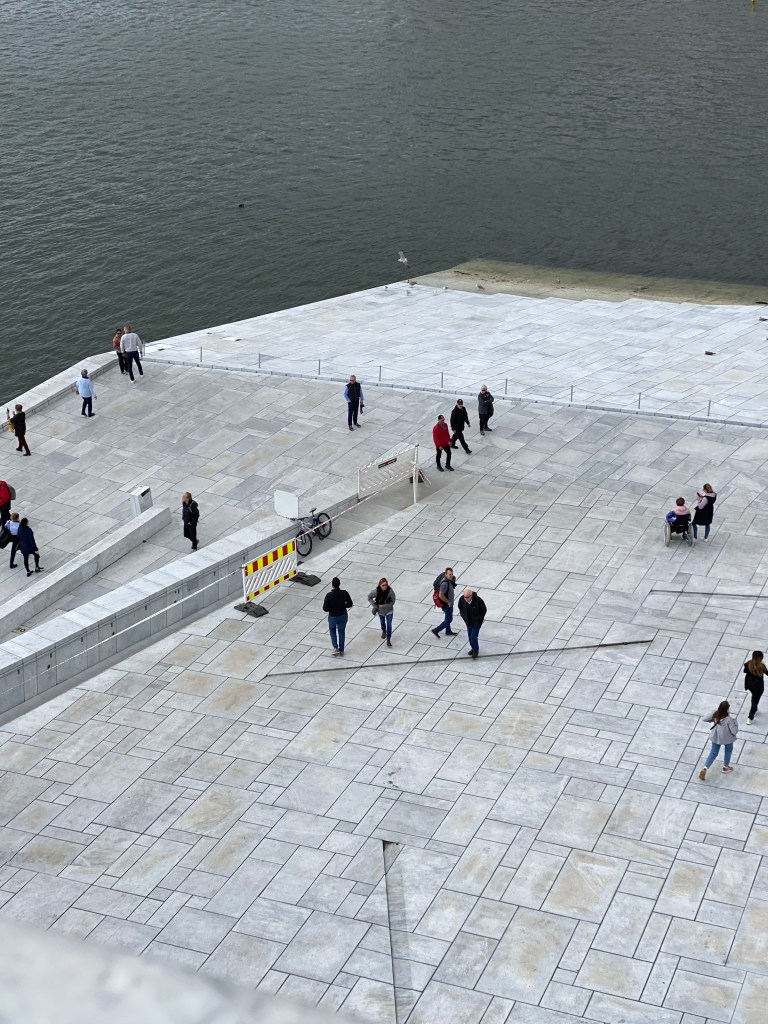
View from the opera house roof. Patty is near the person in the red coat
New library, very nice inside. A gift shop, cafe with free coffee refills, a great place to spend a winter day reading a good book.

Saturday, September 10, Last morning in Denmark

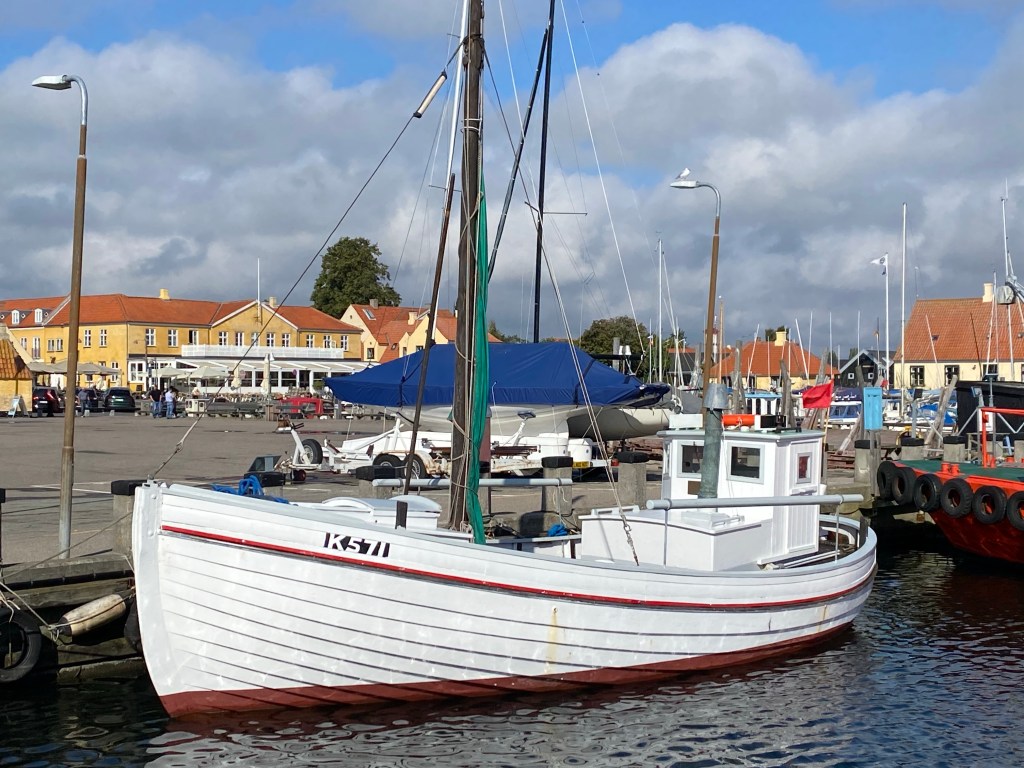
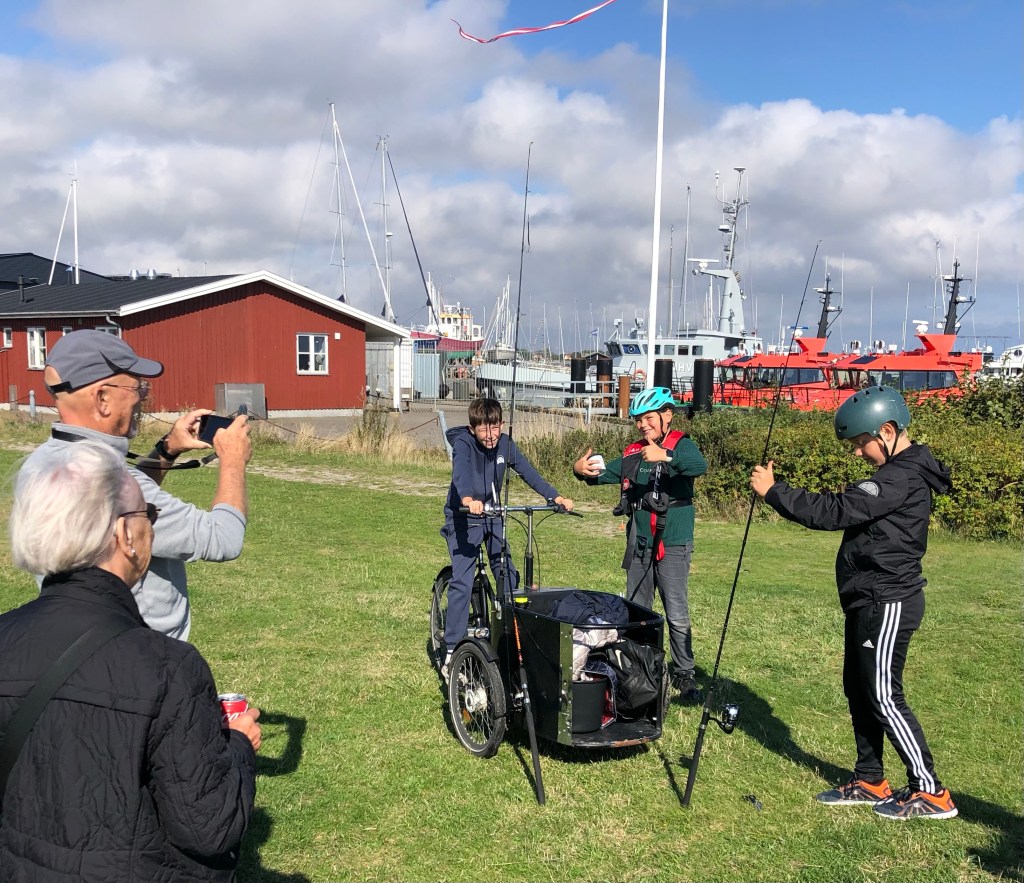
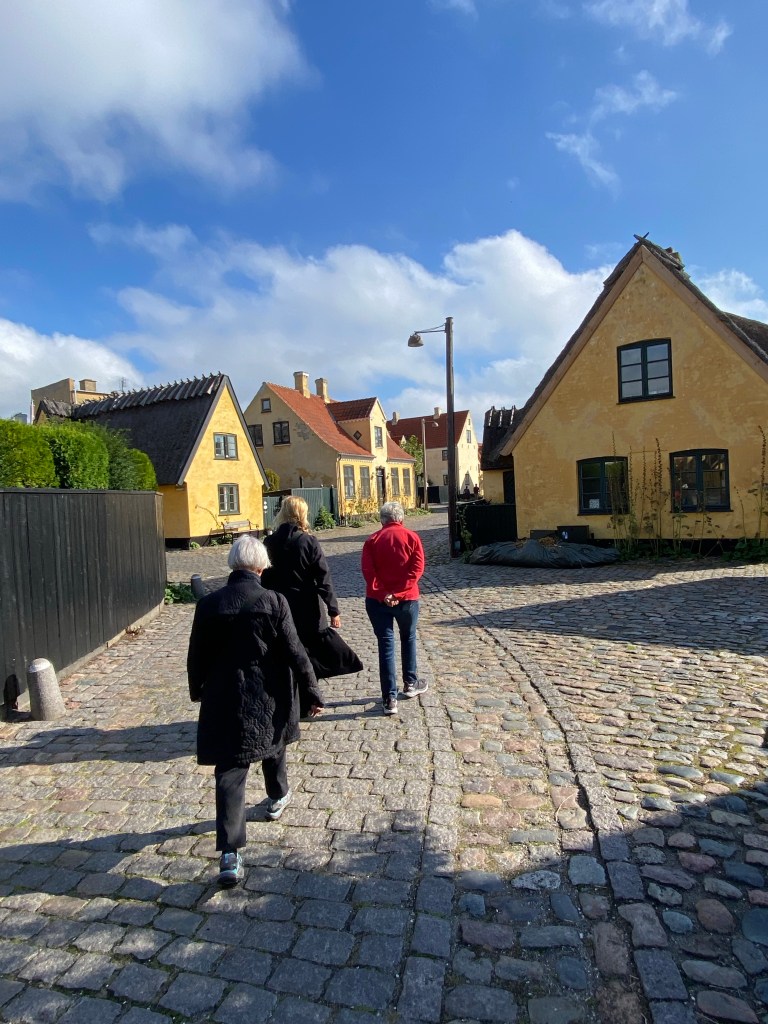
We started out visiting the small fishing village of Dragor. A quaint village of old wooden houses, some with thatched roofs, wooden fishing boats, a world war 2 famous little boat, and sailing and rowing clubs. We also met some local boys fishing that were nice enough to talk to us!
Boat number 571, the “Elisabeth”, the last surviving of the small fishing boats used to evacuate 700 Jews to Sweden to keep them from being captured by the Nazis in 1943 as the Nazis marched thru Denmark.
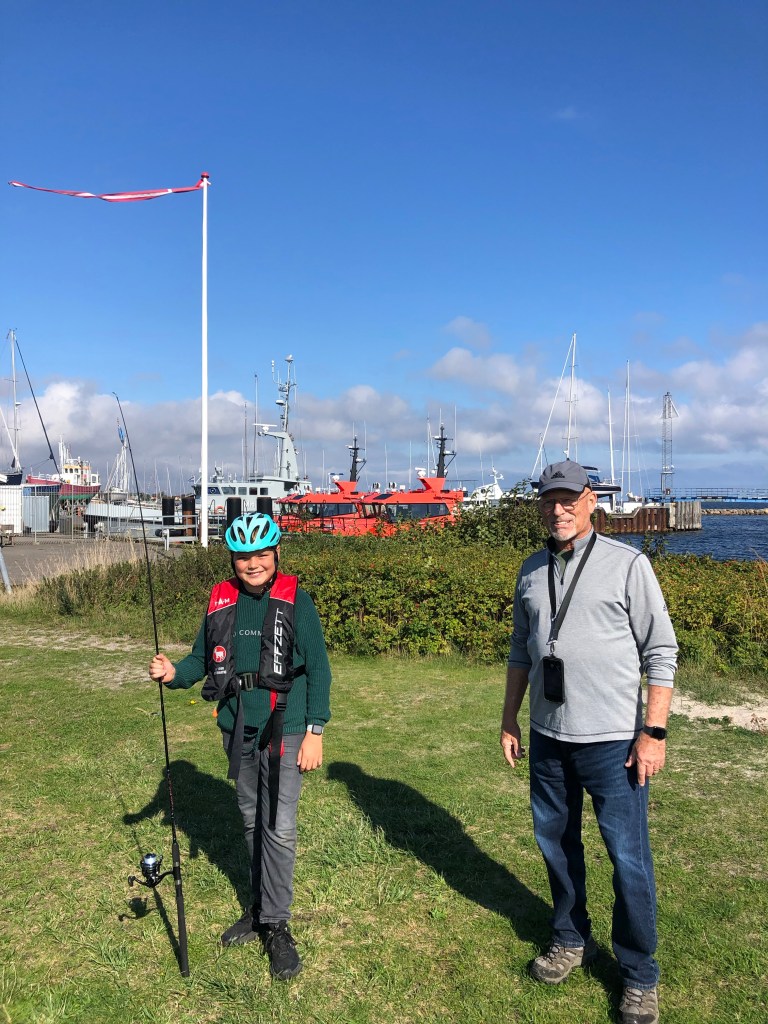
I talked to these three boys because they were getting fishing poles ready for action. They are 11 years old, in the fifth grade and told us about the fish they were trying to catch and showed us pics on their phones of big fish they had caught. They also told us about a famous badminton player that came from their town.
This boys name is Axel, same as our grandson and about the same age!

Next…. it’s off to the Ferry terminal for our over night (20hour) ferry boat ride to Oslo, Norway.

Repurpose, reuse, and recycle…… theme of the day

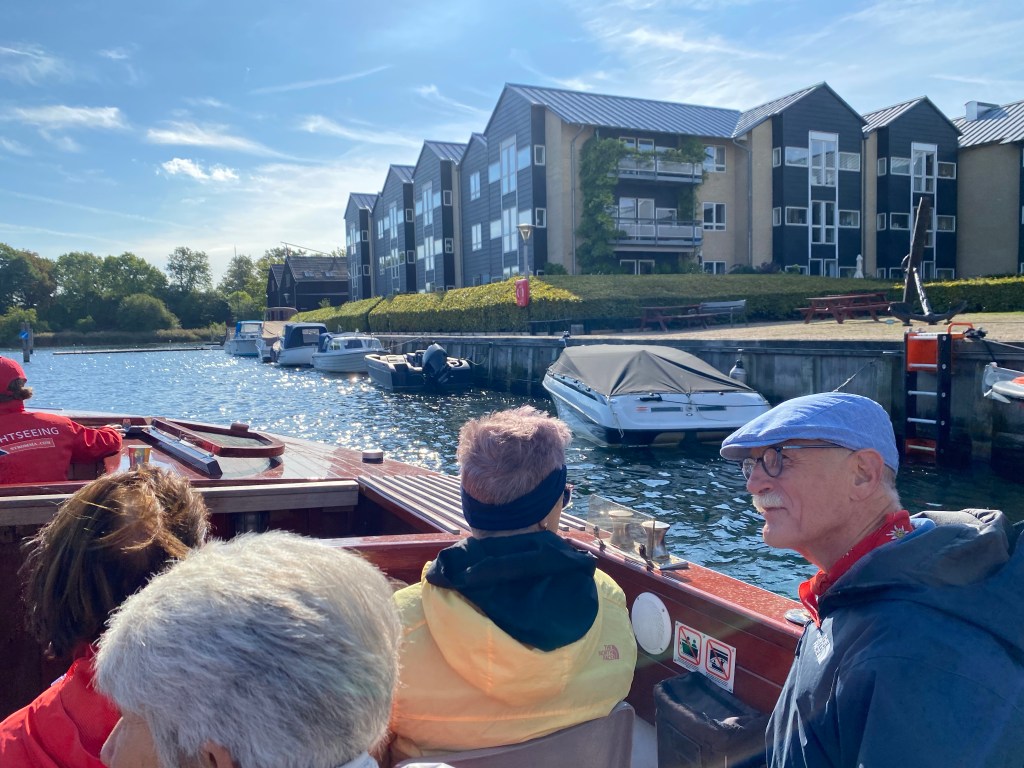
A walk about Copenhagen, a canal boat trip, and a Danish lunch…….

The underlying theme was how “Green” Denmark is.
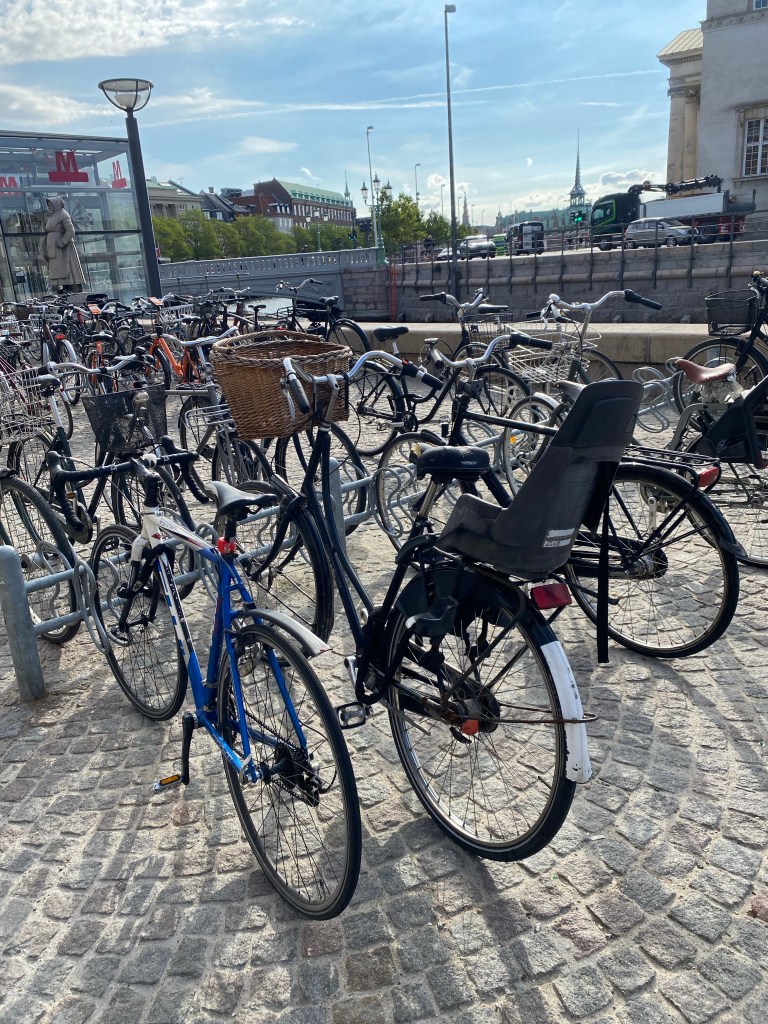
Green begins with lots of bikes and bike riding. As pedestrians we have to be aware of the bikes or get run over!
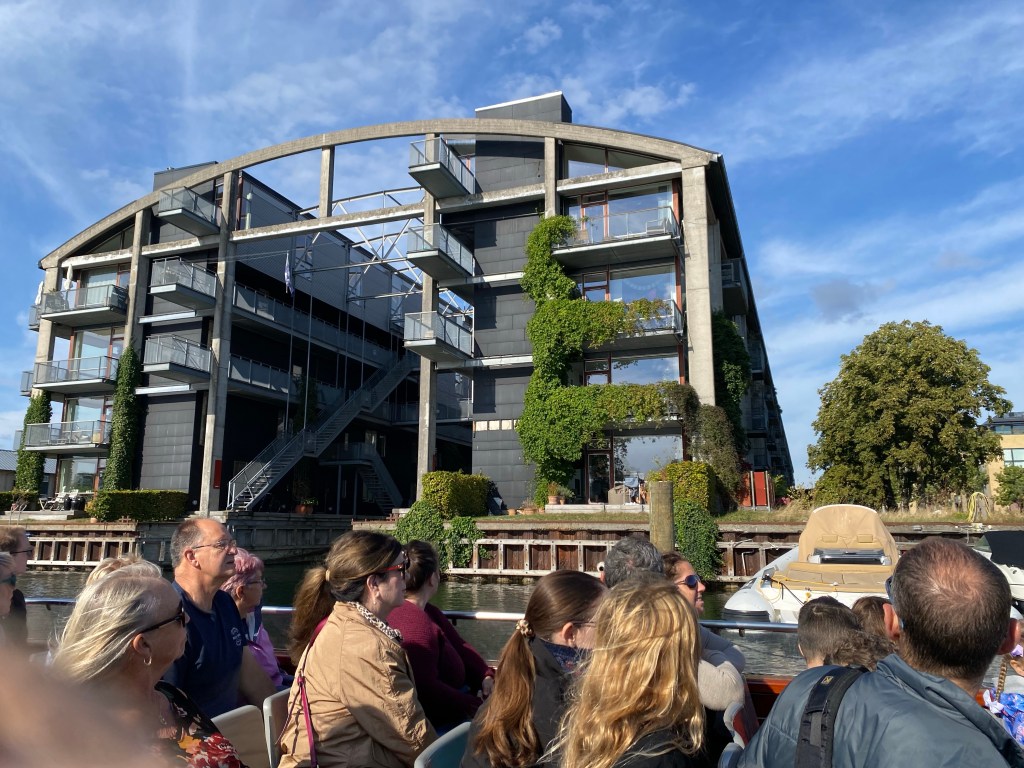
Old navy barracks and buildings repurposed as high end waterfront condos
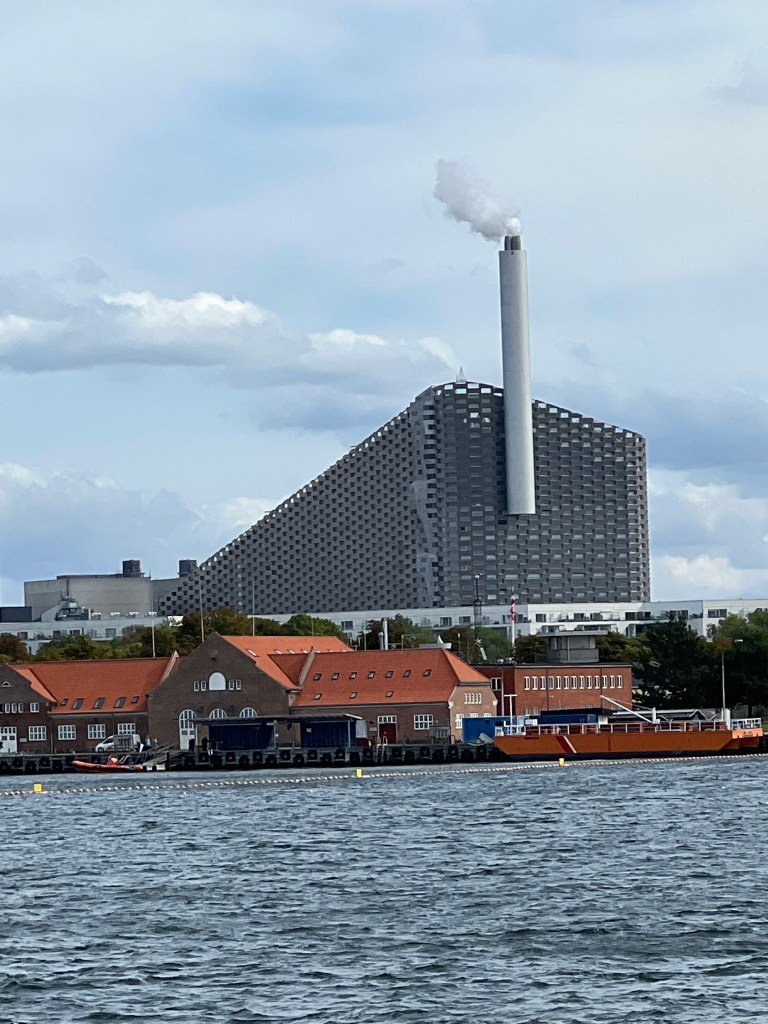
Copen Hill….. it’s called a “waste to energy” plant, burning sewer waste and other trash and generates electricity. In its design it incorporates a climbing wall with a cafe/bar at the top and an artificial ski slope that is open all year for downhill skiing.
A converted shipyard repurposed into high end waterfront condos .
Repurposed Waterfront condos made from shipping containers
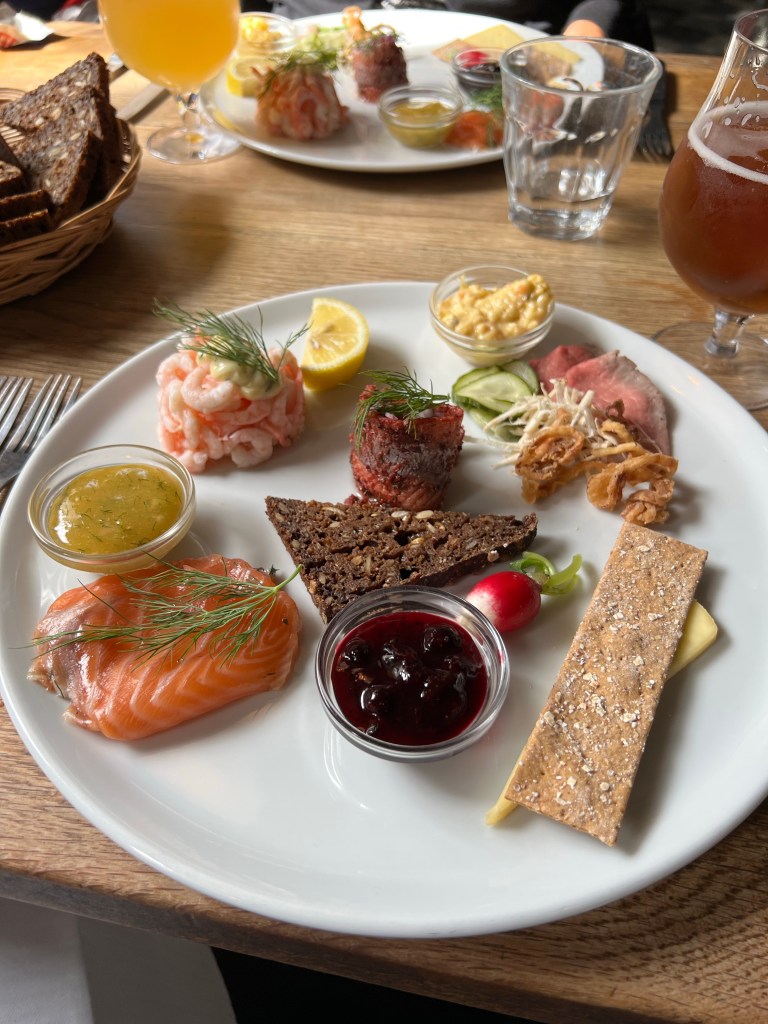
Danish lunch…… cold salmon, marinated herring, shrimp, roast beef and cheese with cranberry jam. Aquavit(Danish schnapps) is consumed with the herring. All of the lunch is then best with a Danish beer(Tuborg).

Wonderful lunch!
Danish humor…. check out our canal Tour sign

Rod and Patty’s Scandinavian adventure

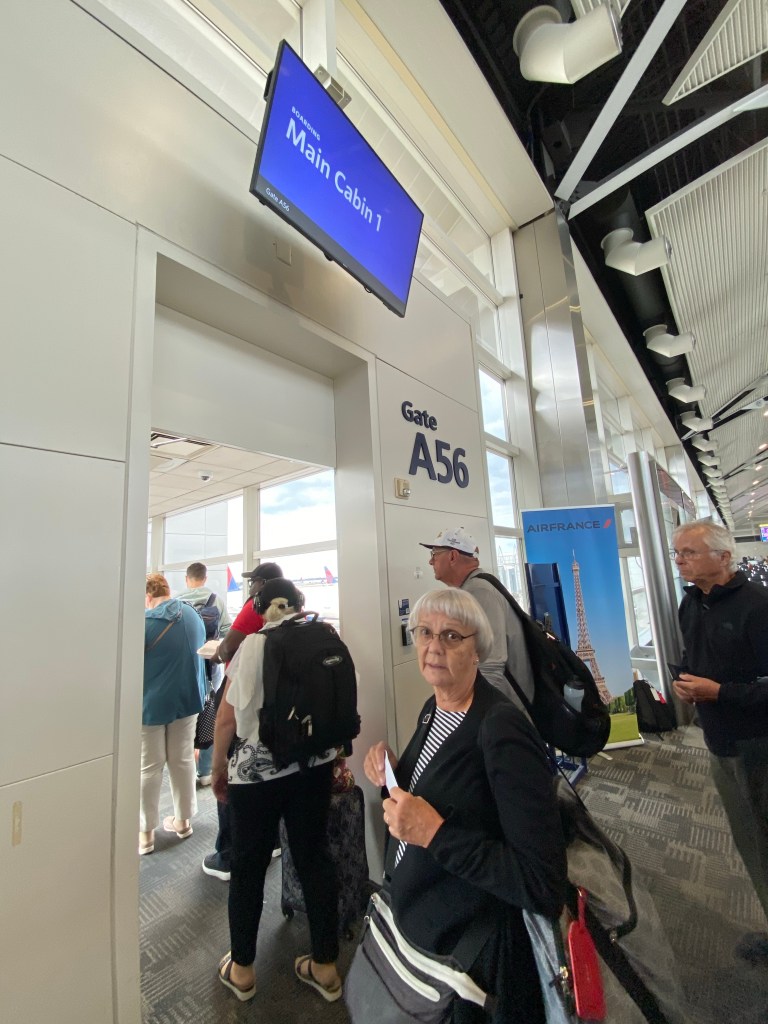
Boarding in Detroit
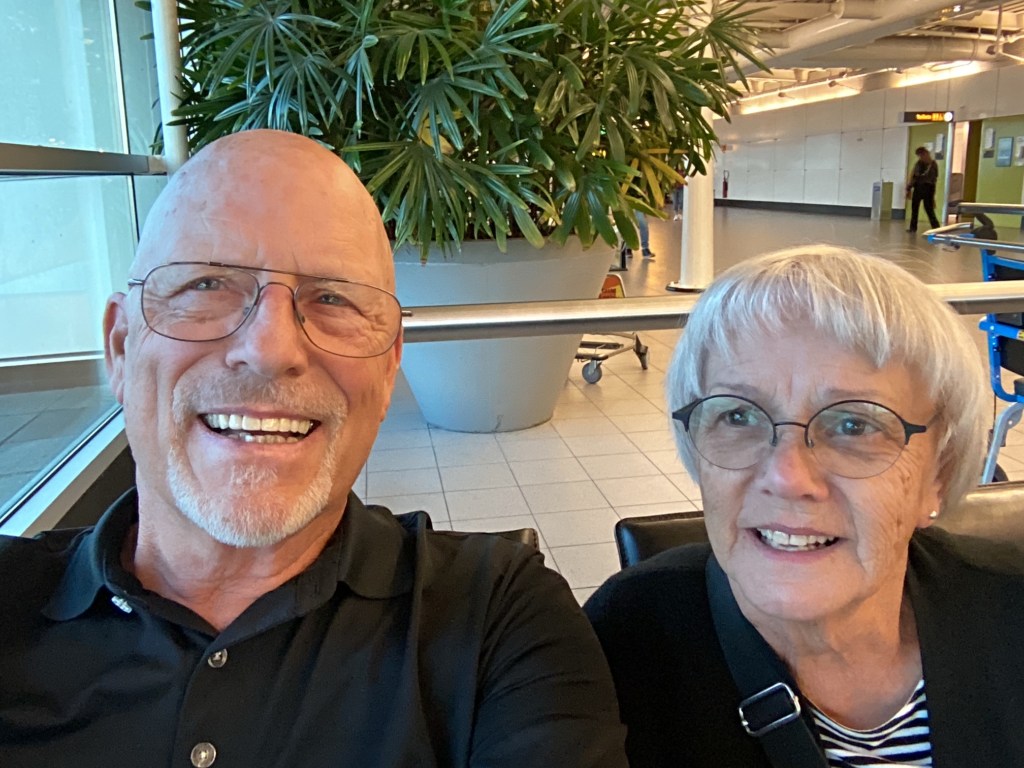
Still looking good after all night flight to Amsterdam, waiting 3 hours for our connecting flight to Copenhagen.
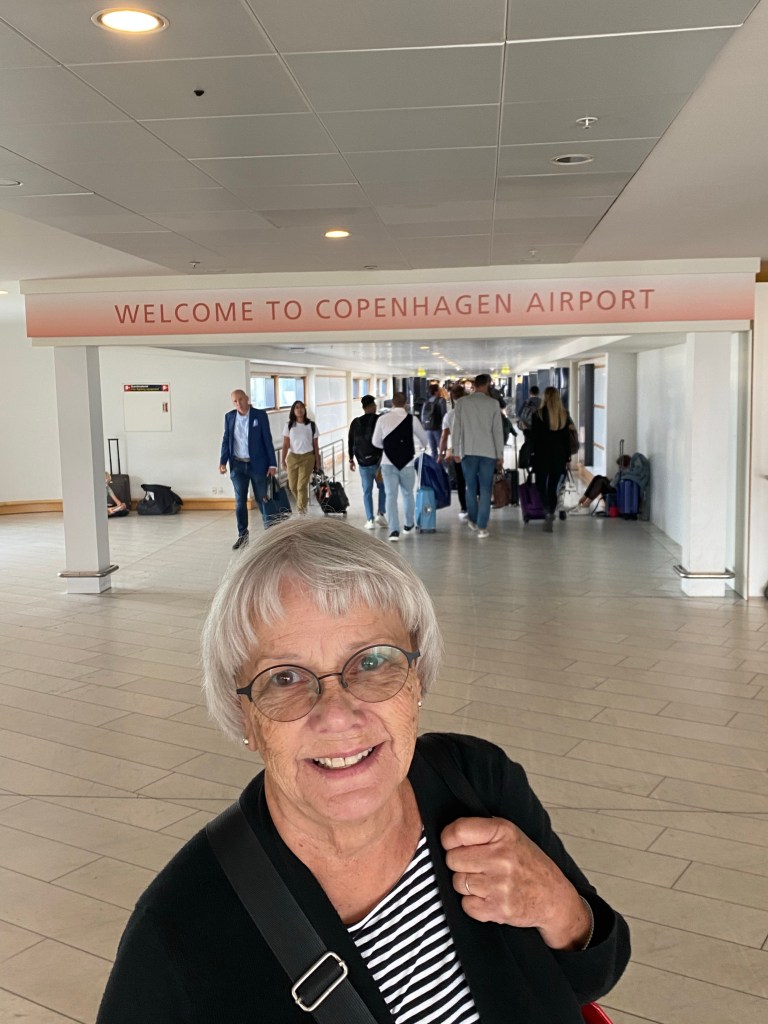
Arrival in Copenhagen and
even out bags made it!!!
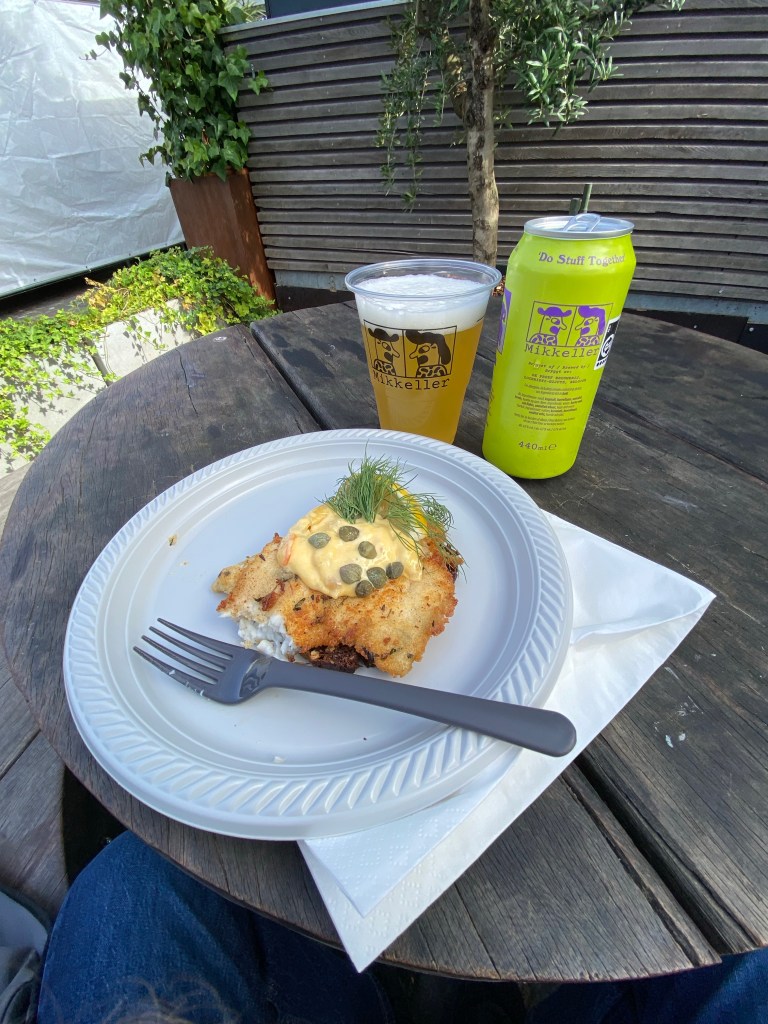
Lunch in Copenhagen! A nice open face fish sandwich on pumpernickel bread, accompanied with a danish IPA beer
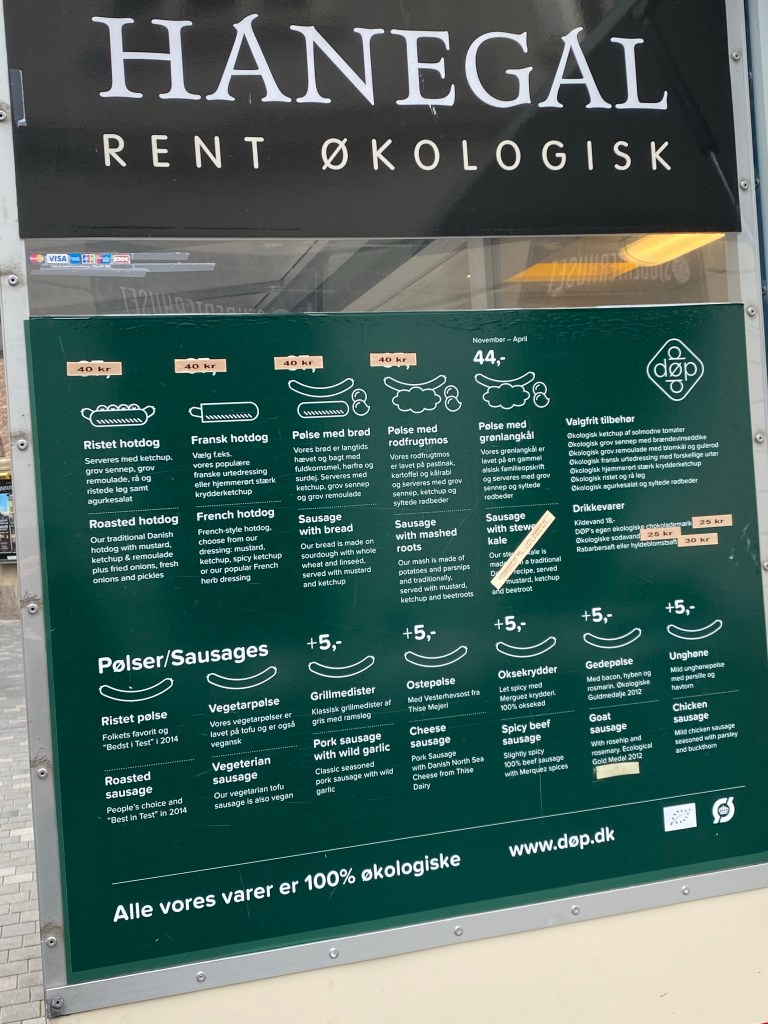
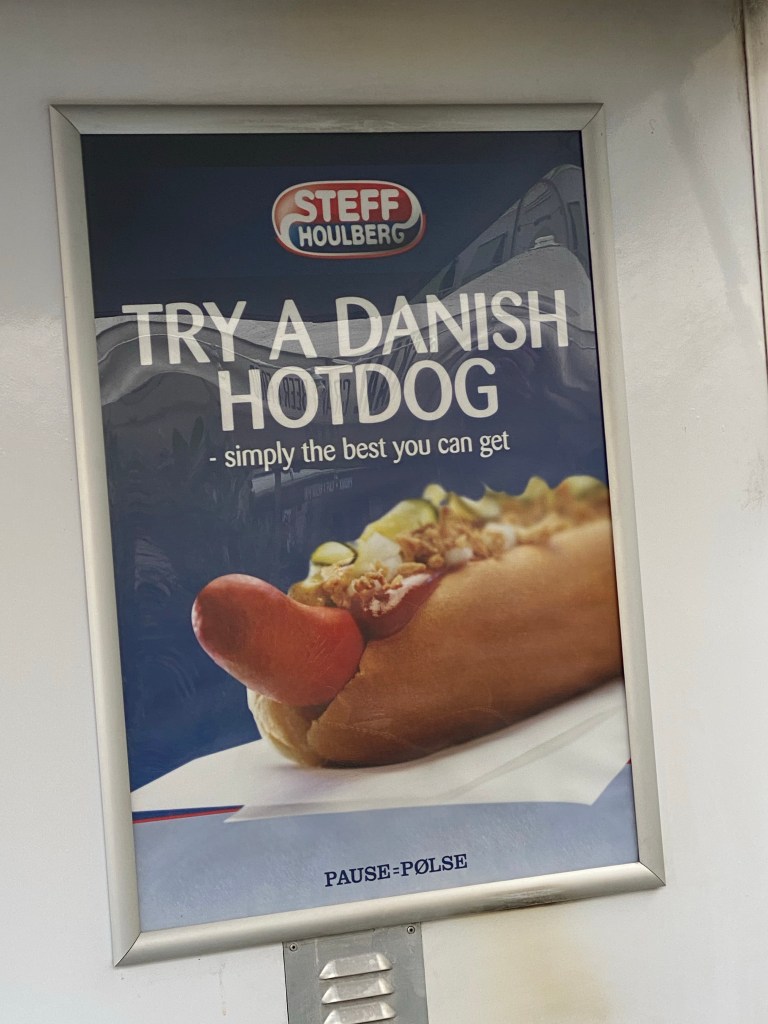
Danish hotdogs are very popular
No comment needed….🤓
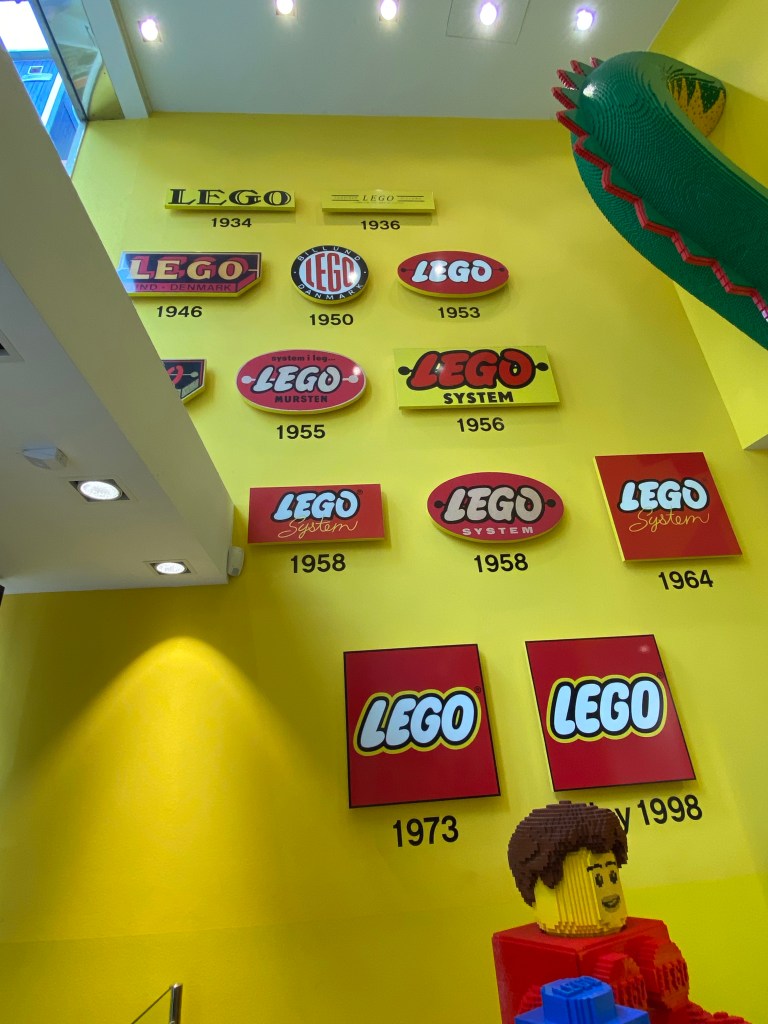
LEGOs originated in Denmark
Bikes everywhere
City lights at night
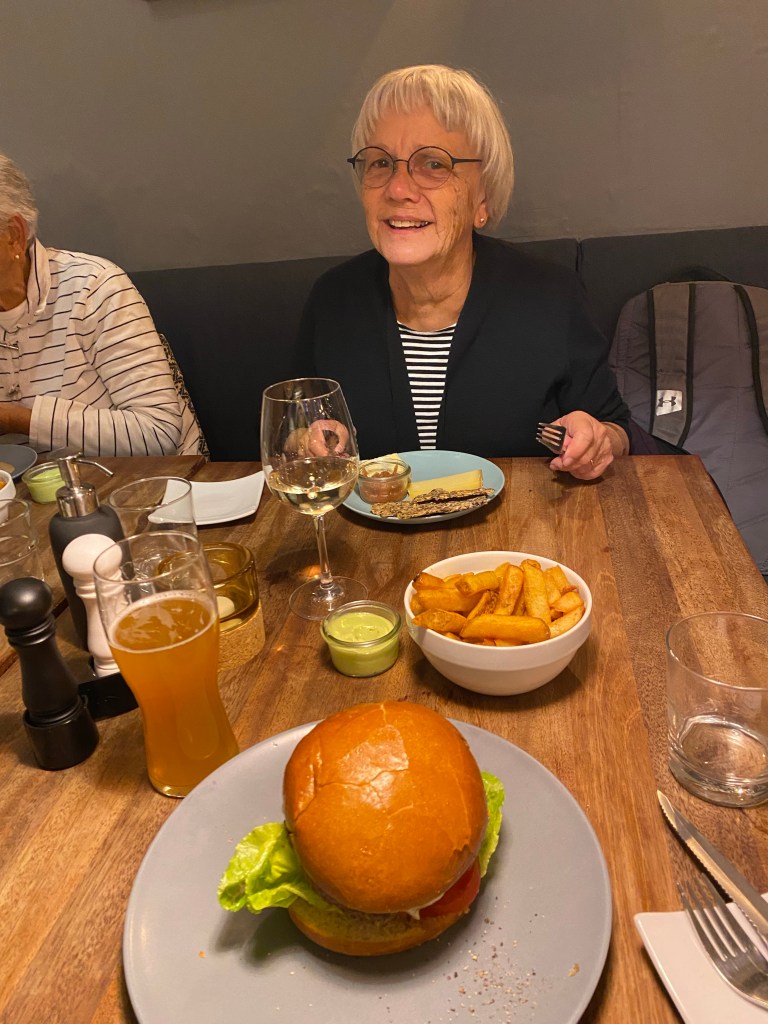
For dinner…. burger, beer, and fries. Patty had cheese and crackers, and wine!

Lots of different modes of travel…

We tried many and observed a few. Our air travel was on newer airplanes, and big buses were newer and comfortable (40 passenger buses for 9 tourists). Then it was on to some old world and third world modes of transport!
Camels!! Oh my! I don’t know how they traveled across the Sahara desert on these things!
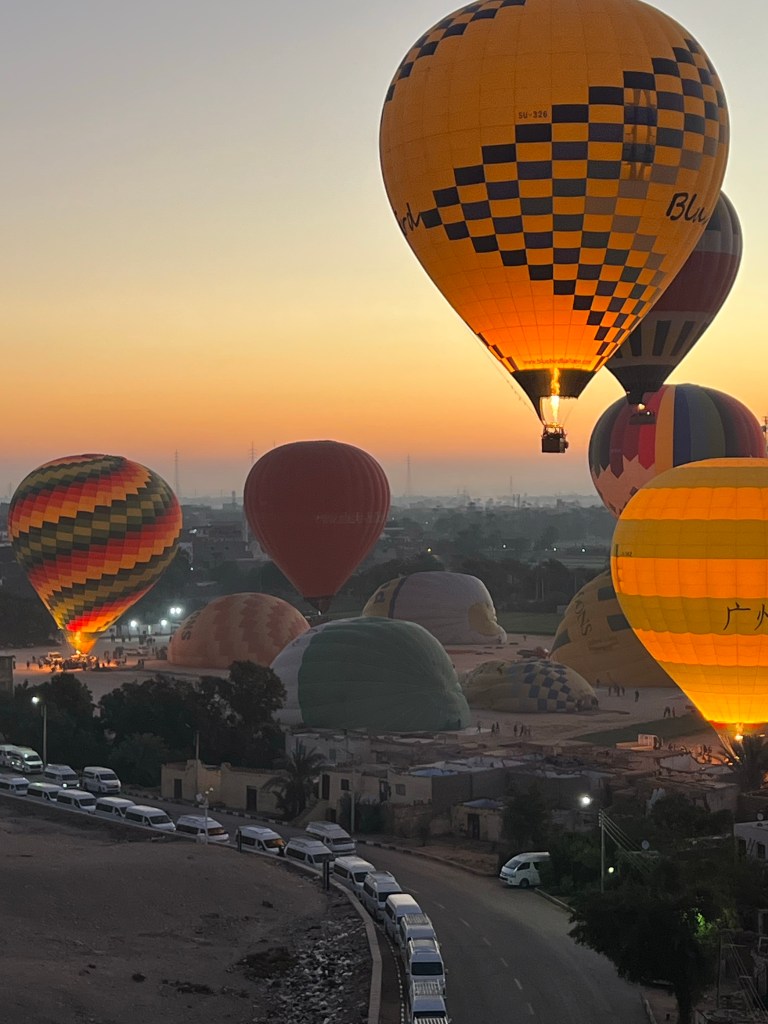
Hot air balloons, peaceful, serene and seeing the world from a different point of view. It was our third hot air balloon ride. If you’ve never ridden in one I’d recommend it.
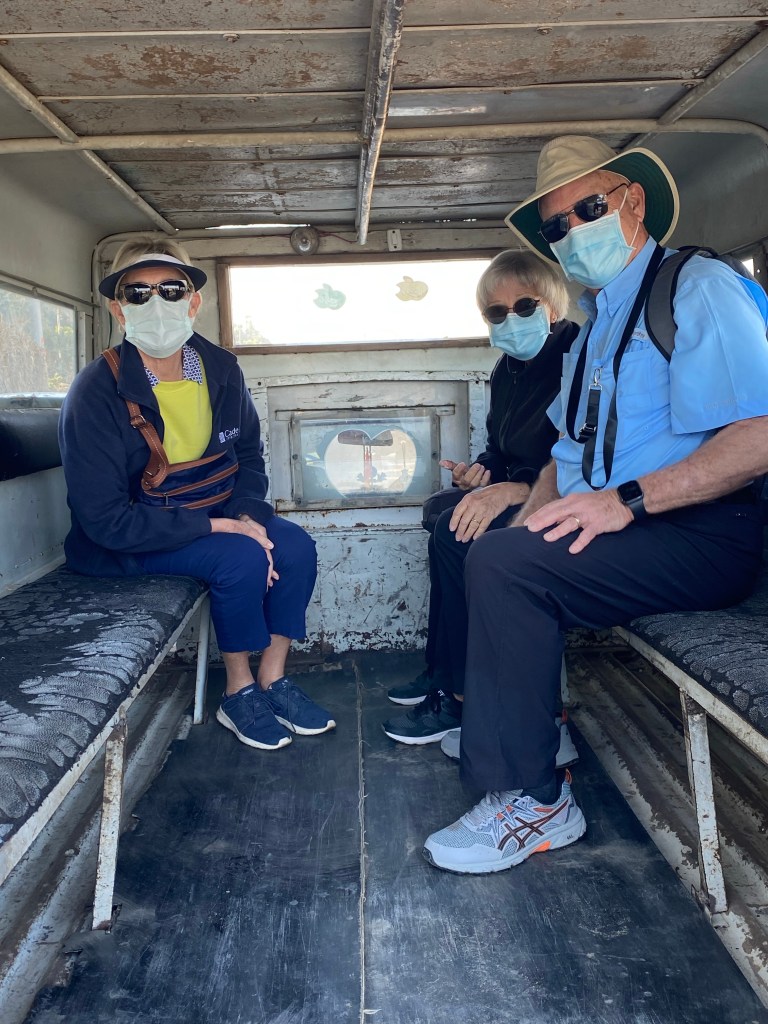
In the back of a pick up truck. We rode in these to get to a city/village. Not that comfortable or quiet, OK for a short ride.
View from our truck, the rest of our group is in the truck behind us
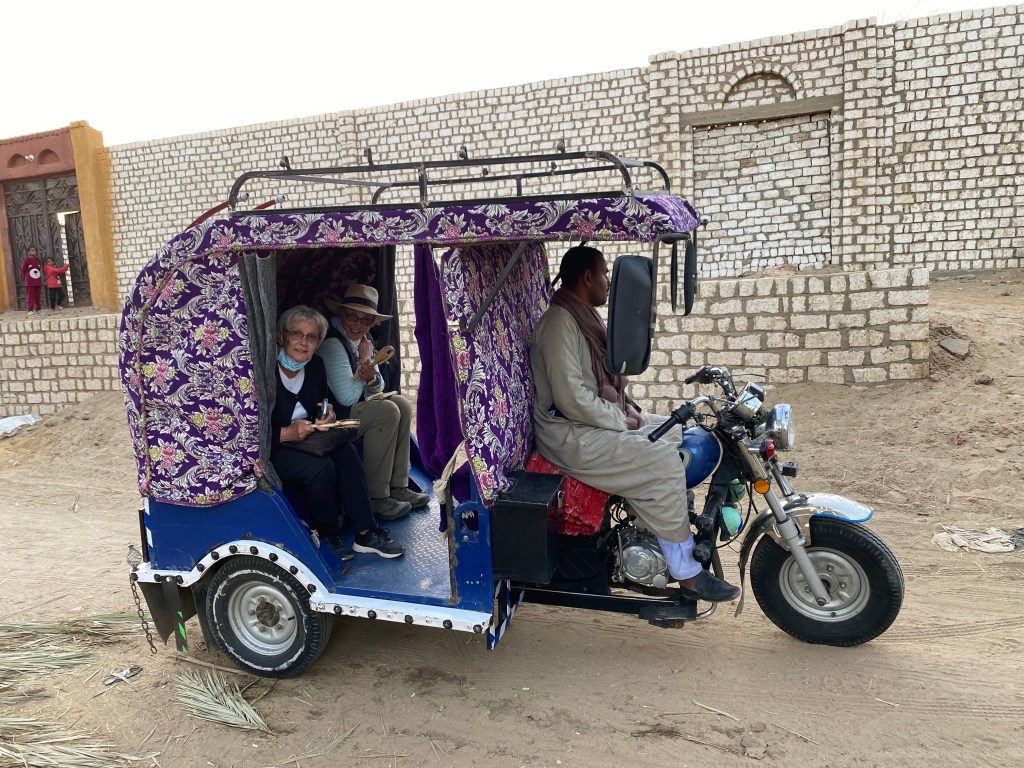
Tuk tuks, mainly Chinese motorcycle front end with a home made rear end, fairly comfortable.
View from inside the tuk tuk
How the traffic flow works in these rural cities, we never saw an accident!!!
Horse drawn carriage was a nice ride on smooth city streets. We rode them to a temple in Edfu.
Our ride back to the boat during one of the “call to prayer” announcements on the city wide PA system.
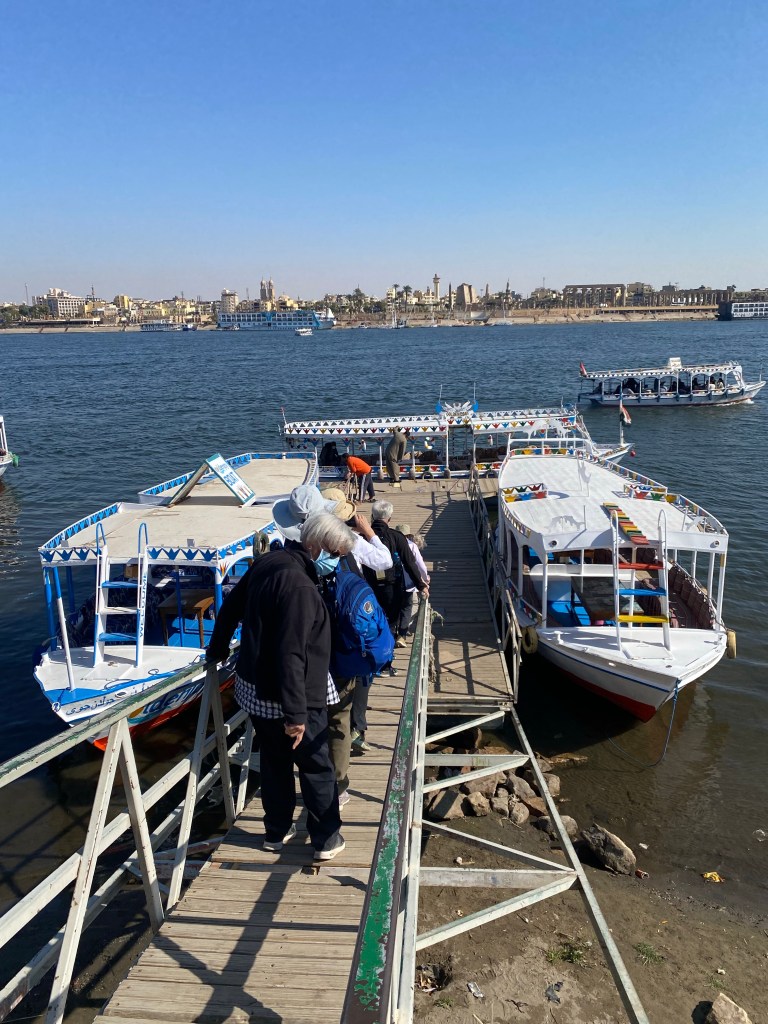
Water travel was always nice. Water taxis were used several times to access sites just across the river. This is in Luxor, where a bus ride in traffic would have taken much longer.
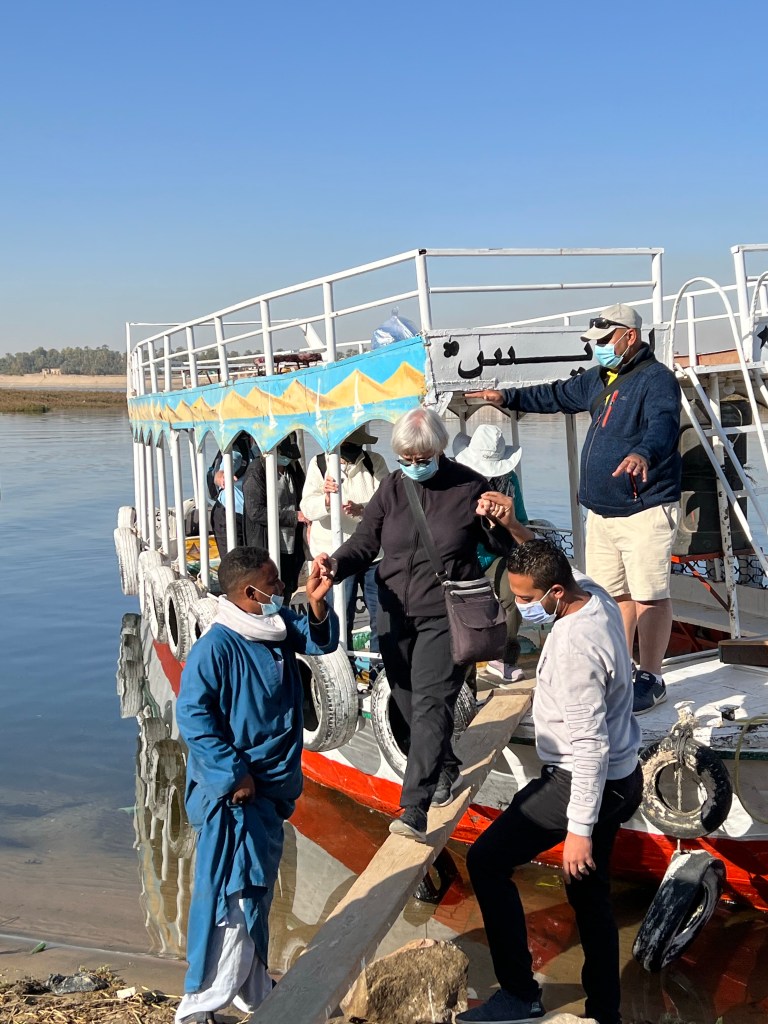
This water taxi was used to access a families farm on an island in the Nile.
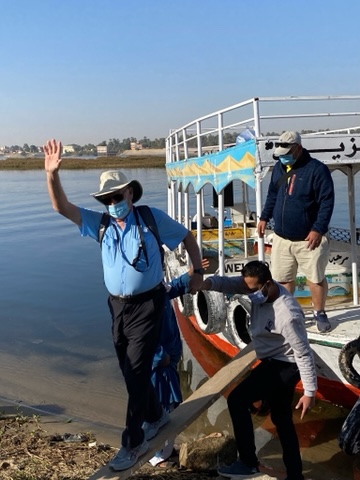
This is the tugboat that pulled our Dahayeba down the Nile 99 percent of the time. We used it as our water taxi a few times.’
A mode of travel we did not use. I think I would have over loaded the poor donkey!